
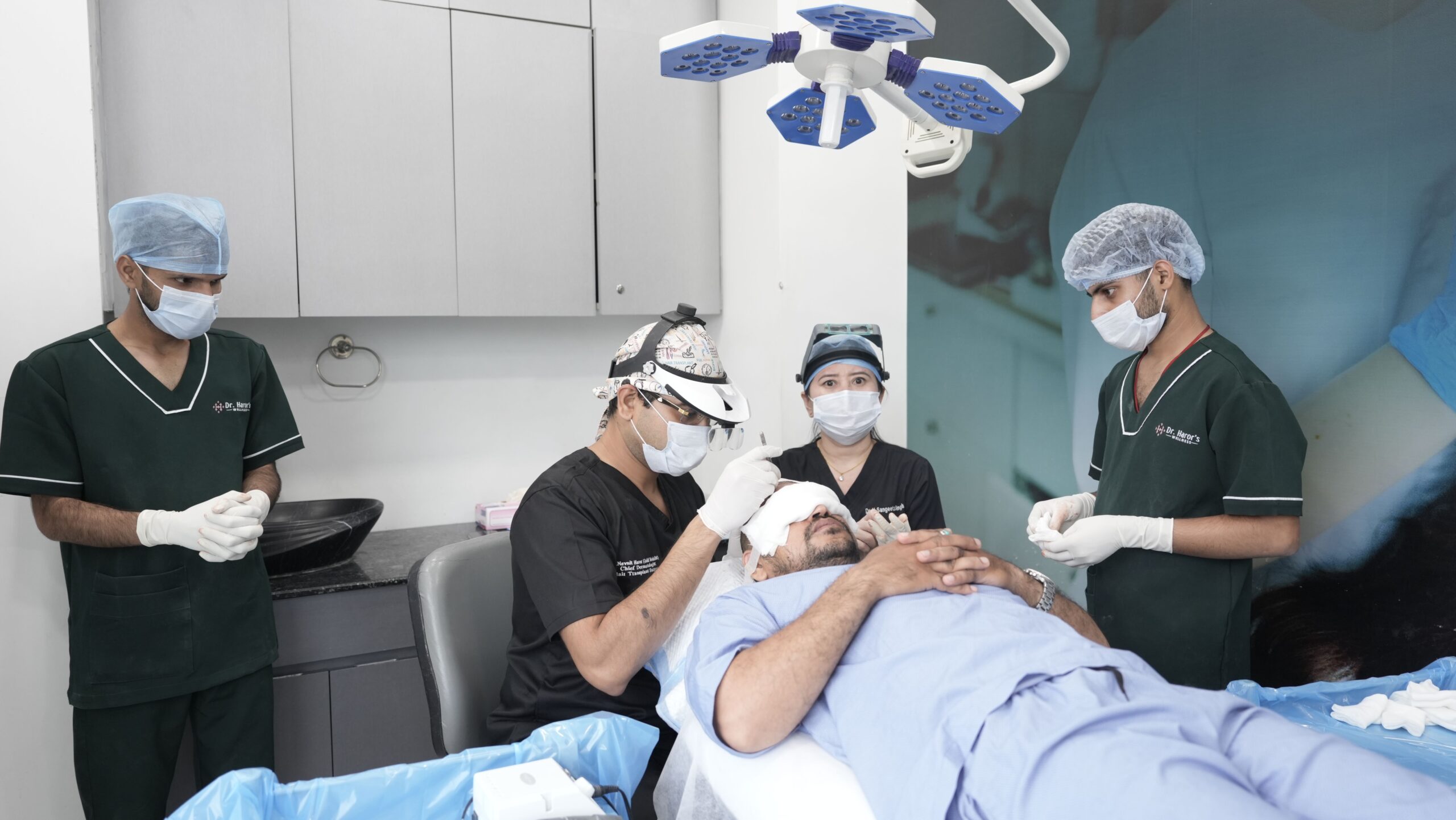
Sie kennen diesen Moment. Morgens unter der Dusche, die Hände voller Haare. Oder das Foto vom letzten Sommer, das zeigt, was sich langsam verändert. Kein Drama, aber ein stiller Beschluss: Das soll sich ändern.
Wer sich mit Haartransplantation beschäftigt, stößt früh auf die Saphir FUE Methode — und fragt sich, was dahintersteckt. Ist das Marketing oder ein echter Unterschied? Bei Hair360 in Istanbul erleben Patienten täglich, was Saphirklingen in der Praxis bedeuten: dichtere Narbenfreiheit, natürlichere Haarrichtung, schnellere Heilung.
Was ist Saphir FUE Haartransplantation?
Die klassische FUE Haartransplantation entnimmt einzelne Haarfollikel aus dem Spenderbereich und setzt sie in kleine Kanäle im Empfängerbereich ein. Der Unterschied bei der Saphir-Variante liegt im Werkzeug: Statt Stahlklingen aus Metall kommen scharfe Klingen aus echtem Edelstein-Saphir zum Einsatz.
Das klingt nach einem Detail. In der Realität entscheidet genau dieses Detail über Kanalgröße, Heilungszeit und natürliches Ergebnis.
5 Gründe, warum Saphir FUE die Standardmethode übertrifft
1. Kleinere, präzisere Kanäle
Saphirklingen erlauben Kanaldurchmesser von 0,6 bis 1,0 mm — exakt an die Follickelgröße angepasst. Weniger Trauma im Gewebe, weniger Vernarbung.
2. Glattere Klingenoberfläche
Edelstein ist biologisch inert und extrem glatt. Metallklingen können im Gewebe mikroskopisch reißen. Saphir schneidet sauber, was Entzündungsreaktionen reduziert.
3. Natürlichere Haarrichtung
Der Chirurg kann Kanalwinkel und -tiefe mit Saphirklingen besser kontrollieren. Das Ergebnis: Haare wachsen in der natürlichen Wuchsrichtung — nicht flach oder gegen den Strich.
4. Schnellere Heilung
Weniger Gewebeschaden bedeutet kürzere Rötungs- und Schwellphasen. Viele Hair360-Patienten berichten, dass sie nach 7–10 Tagen bereits sozial unauffällig sind.
5. Höhere Anwuchsrate
Durch präzisere Kanäle und weniger oxidativen Stress für den Follikel liegt die Anwuchsrate bei Saphir FUE laut Klinikdaten bei 95–98 % — gegenüber 90–95 % bei klassischer FUE.
Insider: Was Ihre Ergebnisse wirklich bestimmt
Die Klinge ist wichtig. Aber sie ist nicht alles. Hier sind die drei Faktoren, über die kaum jemand spricht:
Spenderbereich-Analyse: Wie viele transplantierbare Grafts Sie haben, bestimmt den realistischen Bedeckungsgrad. Nicht jeder ist für 4.000 Grafts geeignet — seriöse Kliniken sagen das offen.
Chirurgenqualifikation: Saphiroklingen in ungeübten Händen sind kein Vorteil. Achten Sie darauf, wer die Kanäle setzt — bei Hair360 ist das ausschließlich der Facharzt, nicht Assistenzpersonal.
Nachsorge-Protokoll: Die ersten 10 Tage nach der Transplantation entscheiden über bis zu 20 % der Anwuchsrate. Schlafen, Waschen, Sonnenschutz — das ist kein Anhang, das ist Teil der Behandlung.
Saphir FUE vs. DHI: Wann welche Methode?
| Merkmal | Saphir FUE | DHI Methode |
|---|---|---|
| Kanalöffnung | Separat vor Implantation | Direkt per Implant-Pen |
| Dichte bei bestehenden Haaren | Gut | Sehr gut (kein Rasieren) |
| Geeignet für Haarverlust Grad | Norwood II–VI | Norwood II–IV |
| Behandlungszeit | 6–8 Stunden | 7–9 Stunden |
| Kosten Istanbul (Richtwert) | ab 1.990 € | ab 2.490 € |
Unser Tipp: Für ausgeprägten Haarausfall (Norwood IV–VI) und maximale Graftanzahl ist Saphir FUE in der Regel die bessere Wahl. Bei dichtem Restbestand ohne Rasur empfehlen wir DHI.
Was kostet Saphir FUE Haartransplantation?
In Deutschland oder Österreich beginnen seriöse Kliniken bei 5.000–8.000 € für 2.000–3.000 Grafts. In Istanbul liegt das Niveau bei einem Drittel davon — ohne Qualitätsabstriche bei akkreditierten Kliniken.
Hair360 arbeitet mit All-inclusive-Paketen: Transfer, Unterkunft, Voruntersuchung, Nachsorgekit und Follow-up-Kontrolle sind inklusive. Keine versteckten Positionen.
Mehr Details zu Preisstrukturen und Finanzierungsoptionen finden Sie auf unserer Seite Haartransplantation Kosten.
Erfahrungen aus der Praxis
„Ich habe in drei Kliniken Beratungen gemacht. Hair360 war die einzige, die mir realistisch gesagt hat, was möglich ist — und was nicht. Das hat Vertrauen geschaffen.“
— Markus K., 38, München
„Die Heilung war erstaunlich schnell. Nach zwei Wochen war ich wieder im Büro, ohne dass jemand etwas bemerkt hat.“
— Thomas R., 44, Hamburg
Weitere Erfahrungsberichte und Vorher-Nachher-Bilder finden Sie in unserem Patientenbereich.
FAQ: Saphir FUE Haartransplantation
Weiterführend: Haartransplantation: der komplette Guide
Kann ich Saphir FUE mit Barthaartransplantation kombinieren? Ja. In manchen Fällen dient der Bartbereich auch als Spenderquelle, wenn der Hinterkopfbereich nicht ausreicht. Das erfordert eine detaillierte Voruntersuchung.
Ihr erster Schritt: Kostenlose Analyse
Weiterführende Informationen
- FUE Methode im Detail: Ablauf, Heilung, Ergebnisse
- DHI vs. FUE: Der direkte Vergleich
- Haartransplantation Kosten: Was ist realistisch?
- Hair360 Klinik Istanbul: Standort, Team, Zertifizierungen
- Patientenerfahrungen aus der Türkei
- Haarausfall bei Frauen: Ursachen und Optionen